


新版 EU GMP 附录11“计算机化系统”
 行业新闻
 2026-10-22 01:14:44
 泽言朗特
The European Commission is revising Annex 11 of the EU GMP guidelines, and it’s about time. Annex 11 specifically governs computerized systems, making it a foundational document for how pharma companies implement, validate, and manage the tech that underpins everything from production to patient safety. In an era of AI, agile development, and cloud-native platforms, the old 2011 version was no longer fit for purpose.
欧盟委员会正在修订EU GMP附录11,此次修订可谓恰逢其时。附录11专门针对计算机化系统作出规定,是制药企业实施、验证和管理相关技术的基本文件 —— 这些技术贯穿从药品生产到患者安全保障的各个环节,起到关键支撑作用。在人工智能、敏捷开发和云原生平台广泛应用的当下,2011 年版的旧附录已不再符合当前的实际需求。
The new draft isn’t just an update; it’s a full regulatory overhaul, set to reshape how pharma companies handle computerized systems, data integrity, and digital security. With the final version expected in summer 2026, now is the moment to assess the impact—and act.
这份新附录草案并非简单的更新,而是一次全面的法规改革,预计将重塑制药企业在计算机化系统、数据完整性及数字安全方面的管理方式。鉴于最终版本预计于 2026 年夏季发布,当前正是评估其影响并采取应对行动的关键时期。
In this blog, we’ll guide you through:
本文将为您详细解读以下内容:
The timeline of the Annex 11 revision
附录11的修订时间线
Major structural and scope changes
(附录)主要的结构调整与适用范围变更
Key updates in AI, cybersecurity, data handling, and supplier oversight
在人工智能、网络安全、数据处理及供应商监管方面的关键更新内容
The practical implications for pharma companies
对制药企业而言的实际影响与意义
How QbD can help you prepare
质量源于设计(QbD)如何助力企业做好准备
A Quick Timeline: Annex 11 Revision
快速时间线:附录 11 修订
The revision of Annex 11 follows a multi-stage consultation process. Here's where we are now and what's coming:
附录 11 的修订遵循多阶段咨询流程。以下是我们目前的进展以及即将开展的工作:
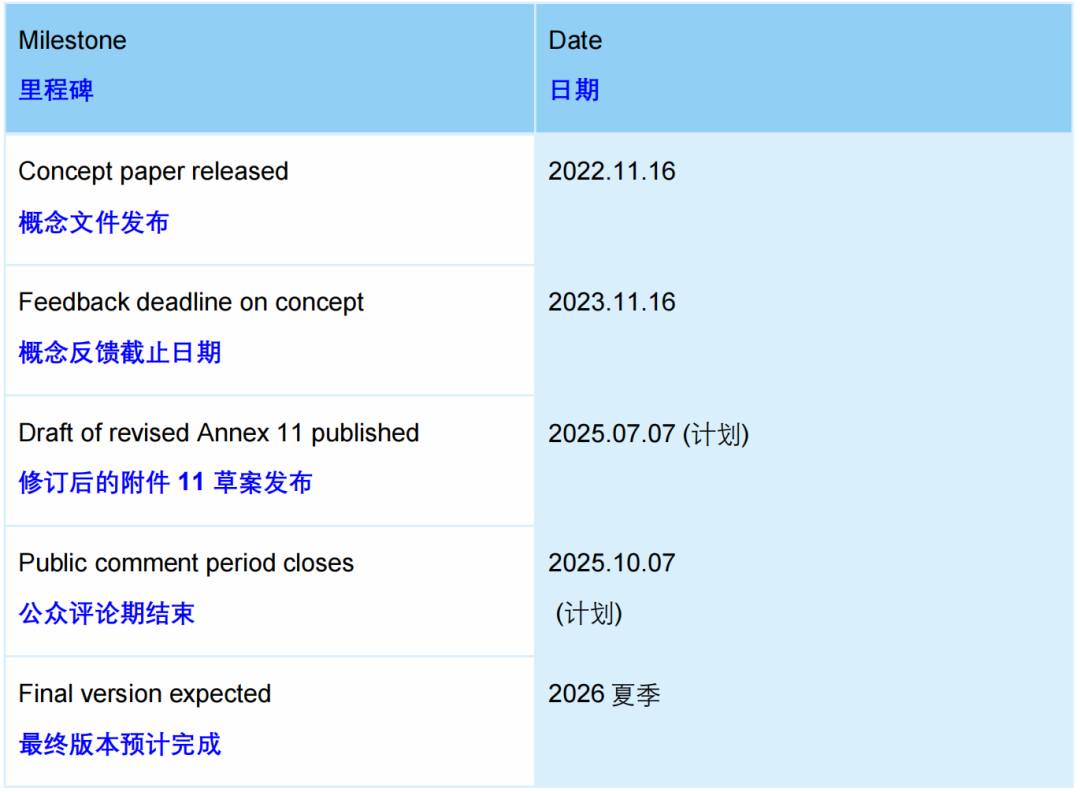
This staggered approach gives stakeholders across industry, government, and academia a window to review, react, and refine. For pharmaceutical companies, this timeline is both a countdown and a call to action.
这种分阶段的方法为行业、政府和学术界的利益相关者提供了一个审查、回应和完善的窗口。对于制药公司而言,这个时间线既是倒计时,也是行动号召。
What this means for you:
这对您意味着:
Now (2025 Q3–Q4) is the time to assess the draft’s impact on your quality systems, IT infrastructure, and validation strategies. Waiting until 2026 to act means you’ll likely face last-minute compliance scrambles, particularly around security, cloud systems, and audit trails.
现在(2025 年第三季度至第四季度)是评估该草案对您的质量体系、IT 基础设施和验证策略影响的时候。等到 2026 年再采取行动,意味着您可能会在最后一刻面临合规方面的仓促应对,尤其是在安全、云系统和审计追踪方面。
By planning now and updating SOPs, revisiting risk assessments, and retraining personnel, you’ll be in a strong position to transition smoothly when the final version drops.
通过现在就进行规划、更新标准操作程序(SOPs)、重新审视风险评估并重新培训人员,当最终版本发布时,您将处于能够顺利过渡的有利位置。
Expanded Scope and Structure: From 5 Sections to 17 Chapters
扩展的范围和结构:从 5 个部分到 17 个章节
The revision transforms Annex 11 from a 5-section document into 17 chapters plus a glossary, expanding both depth and scope. Key changes include:
此次修订将附录 11 从一份包含 5 个部分的文件转变为包含 17 个章节以及一个术语表的文件,在深度和范围上都有所扩展。主要变化包括:
Scope and Principles
范围和原则
Pharmaceutical Quality System
制药质量体系
Risk Management
风险管理
Personnel and Training
人员与培训
System Requirements
系统要求
Supplier and Service Management
供应商和服务管理
Alarms
报警
Qualification and Validation
确认与验证
Handling of Data
数据处理
Identity and Access Management
身份与访问管理
Audit Trails
审计追踪
Electronic Signatures
电子签名
Periodic Review
定期审查
Security
安全性
Backup
备份
Archiving
归档
Glossary
术语表
This restructuring doesn’t just offer more content; it introduces greater clarity, separating topics that were once grouped and giving each critical area its own defined space.
这种重组不仅提供了更多内容,还带来了更高的清晰度,将曾经归为一组的主题分开,为每个关键领域都划定了专属的空间。
The addition of chapters like Periodic Review, Audit Trails, and Identity & Access Management shows how the EU is responding to current risks and compliance challenges.
新增了如定期审查、审计追踪以及身份与访问管理等章节,这体现了欧盟是如何应对当前的风险和合规挑战的。
Overall, the scope has shifted from compliance-as-validation to compliance-as-governance, a much more mature and scalable approach.
总体而言,范围已从 “合规即验证” 转变为 “合规即治理”,这是一种更为成熟且更具可扩展性的方法。
6 Critical Annex 11 Changes Pharma Must Prepare For
制药行业必须为附录 11 的 6 项关键变更做好准备
Now, let’s talk about the updates that will reshape how pharma companies must think about systems, suppliers, and security in a digitally-driven world.
现在,让我们来谈谈这些更新,它们将重塑制药公司在数字化驱动的世界中对系统、供应商和安全性的思考方式。
1.Digital Transformation & Agile Methodologies
数字化转型与敏捷方法
One of the most significant shifts is the Annex’s embrace of agile development and modern software lifecycle practices.
其中一个最重大的转变是该附录对敏捷开发和现代软件生命周期实践的接纳。
Whereas previous guidance leaned heavily on traditional, sequential validation (think waterfall), the new draft opens the door for iterative development and continuous improvement, as long as the process is controlled and documented.
以往的指导方针严重依赖传统的、按顺序的验证(想想瀑布式开发),而新草案为迭代开发和持续改进打开了大门,只要过程受到控制并做好记录。
This means:
这意味着:
Risk-based validation can be applied incrementally across development cycles
基于风险的验证可以在各个开发周期中逐步应用
Integrated technical controls can reduce reliance on excessive procedural oversight
集成的技术控制可以减少对过多程序监督的依赖
QA and IT teams must now collaborate earlier and more often throughout the system lifecycle
质量保证(QA)和信息技术(IT)团队现在必须在整个系统生命周期中更早、更频繁地开展协作
2.Artificial Intelligence and Machine Learning
人工智能与机器学习
The revised Annex 11 is no longer treating AI as an emerging curiosity but a regulated capability, particularly when used in GMP-related manufacturing.
修订后的附录 11 不再将人工智能视为一种新兴的新奇事物,而是将其作为一种受监管的能力,尤其是在用于与良好生产规范(GMP)相关的制造时。
This update is reinforced by the parallel release of Annex 22, which covers:
这一更新得到了同时发布的附录 22 的支持,附录 22 涵盖:
Model selection and training
模型选择与训练
Algorithm validation
算法验证
Performance monitoring
性能监测
Change control for retrained models
再训练模型的变更控制
Human-in-the-loop decision safeguards
人机协同决策保障措施
Together, these additions place AI and machine learning under the GMP compliance umbrella, meaning regulated companies must be able to explain and justify the behavior of their AI tools, from training data to real-time use.
这些新增内容共同将人工智能和机器学习纳入了良好生产规范(GMP)合规的范畴,这意味着受监管的企业必须能够解释并证明其人工智能工具的行为合理性,从训练数据到实时使用均是如此。
3.Data Integrity & Audit Trails
数据完整性与审计追踪
If there’s one word that defines modern GMP, it’s traceability, and the revised Annex doubles down on it.
如果要用一个词来定义现代良好生产规范(GMP),那就是可追溯性,而修订后的附录进一步强化了这一点。
Key enhancements include:
主要的改进包括:
Clear requirements for handling data in motion and data at rest
对动态数据和静态数据的处理有明确要求
Audit trails that are immutable (i.e., cannot be altered or disabled by ordinary users)
不可变的审计追踪(即普通用户无法修改或禁用)
Defined expectations for review frequency and searchability of audit logs
对审计日志的审查频率和可搜索性有明确要求
Expect regulators to scrutinize how organizations store, access, and review critical records, especially where automated decisions are being made.
预计监管机构会仔细审查各组织如何存储、访问和审查关键记录,尤其是在涉及自动决策的情况下。
4.Security Enhancements
安全性增强
The new Annex elevates Cybersecurity to a central pillar, referencing standards like ISO 27001 and reinforcing the need for proactive threat defense.
新附录将网络安全提升为核心支柱,参考了 ISO 27001 等标准,并强调了主动防御威胁的必要性。
What’s changed?
有哪些变化?
Security controls must now address both external and internal threats
安全控制现在必须同时应对外部威胁和内部威胁
There’s an expectation for formal information security management systems (ISMS)
(监管方)要求建立正式的信息安全管理体系(ISMS)
Requirements move beyond basic password protection into network, device, and data-layer defense
要求不再局限于基础的密码保护,而是延伸至网络、设备和数据层的防御
For companies relying on legacy systems or fragmented architectures, this will be a serious call to upgrade.
对于依赖遗留系统或架构零散的企业而言,这将是一个亟需进行系统升级的明确信号。
5.Supplier and Cloud Service Management
供应商与云服务管理
With the rise of cloud-based platforms and third-party services, the revision places new responsibilities on companies to own the compliance of their outsourced systems.
随着云基平台和第三方服务的兴起,本次修订为企业新增了一项责任,即对其外包系统的合规性负责。
New guidelines include:
新指南包括:
The regulated company must have access to validation documentation for all critical systems
受监管企业必须能够获取所有关键系统的验证文件
Cloud providers must demonstrate secure operation and be able to prove it during inspection
云服务提供商必须证明其运营的安全性,并能在检查期间提供相关证据
The burden of oversight lies with the regulated user, not the vendor
监督责任在于受监管的用户,而非供应商
This shifts supplier relationships from transactional to strategic compliance partnerships.
这使得供应商关系从交易型转变为战略性合规合作伙伴关系。
6.Shift in Regulatory Emphasis
监管重点的转变
Perhaps the most telling change is that validation itself is no longer the star of the show; it is a part of a set of activities that will give us full compliance of a system.
或许最能说明问题的变化是,验证本身不再是核心焦点;它只是一系列能确保系统完全合规的活动中的一部分。
This new revision places primary emphasis on:
此次新修订将主要重点放在了以下方面:
Security
安全性
Audit trails
审计追踪
Access and identity management
访问与身份管理
Supplier governance
供应商治理
Validation still matters, but in a world of real-time data, remote access, and AI-driven automation, regulators are rightly focused on the systems behind the system.
验证依然重要,但在一个实时数据、远程访问和人工智能驱动自动化的时代,监管机构将重点合理地放在了 “系统背后的体系” 上。
What This Means for Pharma Companies
这对制药公司意味着什么
The revised Annex 11 signals that the digital era is now fully embedded in pharmaceutical compliance. And with that comes both challenge and opportunity.
修订后的附录 11 表明,数字时代现已完全融入制药行业的合规体系之中。随之而来的,既有挑战,也有机遇。
Rethink Your Systems
重新审视你的系统
You’ll need to:
你需要:
Review existing systems against the new 17-chapter structure
对照新的 17个章节结构审查现有系统
Replace platforms that lack auditability or security
更换缺乏可审计性或安全性的平台
Implement formal review cycles and cloud risk strategies
实施正式的审查周期和云风险策略
Validation, while still essential, is no longer enough. Compliance now demands a 360° view of how systems are built, managed, secured, and governed across internal teams and external vendors alike.
验证虽然仍然至关重要,但已不再足够。如今,合规要求从全方位视角了解系统在内部团队和外部供应商之间是如何构建、管理、保障安全及实施治理的。
Rethink Your Teams & Processes
重新审视你的团队与流程
Training and SOPs must evolve:
培训与标准操作规程(SOP)必须与时俱进:
Train teams on AI risk, data governance, and cybersecurity
就人工智能风险、数据治理及网络安全对团队开展培训
Align SOPs with agile development and remote data access
使标准操作规程(SOP)与敏捷开发及远程数据访问相适配
Break silos—collaboration across QA, IT, production, and RA is no longer optional
打破部门壁垒 —— 质量保证(QA)、信息技术(IT)、生产及法规事务(RA)部门间的协作已不再是可选项
Personnel across IT, QA, production, and regulatory affairs will need to work more cross-functionally than ever, and faster.
信息技术(IT)、质量保证(QA)、生产及法规事务部门的人员需开展比以往更深入的跨职能协作,且协作效率需进一步提升。
Embrace Digital Maturity
拥抱数字化成熟度
This digital shift isn’t a compliance burden; it’s a roadmap toward smarter, safer, and more scalable pharma operations.
这种数字化转型并非合规负担,而是通往更智能、更安全且更具可扩展性的制药运营之路的行动指南。
Companies that act early will be the ones who:
尽早采取行动的企业将能:
Avoid costly remediation post-inspection
避免在检查后投入高昂成本进行整改
Build stronger, more audit-ready digital infrastructures
构建更完善、更易于通过审计的数字化基础设施
Lead the charge in AI-enabled innovation with full regulatory confidence
在获得监管机构充分信任的前提下,引领人工智能驱动的创新浪潮
Conclusion: The Future of Compliance Is Already Here
结论:合规的未来已至
The revised Annex 11 marks a turning point, as it acknowledges that pharmaceutical manufacturing has gone digital and regulation must catch up.
修订后的附录 11 标志着一个转折点,因为它认可了制药生产已迈入数字化时代,而监管体系也必须随之跟上。
But more than that, it reflects a maturing mindset in the EU regulatory landscape: one that understands innovation doesn’t have to come at the cost of control.
但更重要的是,它体现出欧盟监管领域一种日趋成熟的理念:该理念认为,创新的实现不必以牺牲监管控制为代价。
With clearer guidance on AI, modern development practices, cloud oversight, and cybersecurity, Annex 11 is positioning the industry to embrace digital transformation responsibly.
凭借在人工智能、现代开发实践、云监管及网络安全方面更清晰的指导方针,附录 11 正助力制药行业以负责任的方式拥抱数字化转型。
The companies that thrive in this new era will be those who:
能在这个新时代蓬勃发展的企业,将是那些:
Treat compliance as an ongoing design principle, not a checkbox exercise
将合规视为一项持续的设计原则,而非一项 “打勾式” 的例行任务
Invest in both technology and people
既投资于技术,也投资于人才
And recognize that modern GMP isn't about resisting change, it's about mastering it
并认识到现代良好生产规范(GMP)的核心并非抵制变革,而是掌控变革
Summer 2026 may feel far off, but the future of compliance is already here.
2026 年夏季或许看似遥远,但合规的未来已然到来。
Ready for Annex 11: 2026? Let’s Future-Proof Your Strategy.
为 2026 年附录 11 做好准备了吗?让我们为您的战略做好未来保障。
Don’t wait for the final release. Start preparing today.
无需等待最终版本发布,从现在就开始准备。
✅ Conduct a gap assessment
✅ 开展差距评估
✅ Update SOPs and training
✅ 更新标准操作规程(SOP)与培训内容
✅ Review system validation and supplier management
✅ 审查系统验证与供应商管理工作
✅ Strengthen cybersecurity and audit trail controls
✅ 加强网络安全与审计追踪控制
声明
上海泽言朗特科技官网(https://www.shzyltmy.cn)内所有资料,未经我方许可,任何单位及个人不得擅自复制、修改、转载或以其他方式使用。如需转载使用网站内容,须事先取得上海泽言朗特科技的正式合法授权。获得授权的使用者,仅限在授权约定范围内使用相关资料,且使用时须标注来源为:上海泽言朗特 / 泽言朗特官网。凡违反本声明,侵犯本网站知识产权及其他合法权益的主体,上海泽言朗特科技将依法追究其全部法律责任。